色をこえて青を見る A color I named blue
Documentary Short
16min
Screenings:
Barbican London
DOC NYC (Special Mention)
Sheffield DocFest
Palm Springs ShortFest
SCAD Savannah Film Festival
Sapporo International Short Film Festival (Best National Short Award)
Short Shorts Film Festival&Asia
DC/DOX
Tokyo Documentary Film Festival
Houston Cinema Arts Festival
Dialogues Documentary Film Festival, Milwaukee
Minikino Film Week Bali
Ridgeway Film Festival
India Doc Fest
Driven by the memory of a deep shade of blue he cannot forget, Watanabe dedicates his life to the pursuit of recreating Japan’s most perfect shade of indigo. For years he tries to understand the unique alchemy of factors that will bring forth his ideal hue until fate introduces him to Kato, a young artisan who is colorblind. Together, they uncover a new way to see blue beyond just color.
渡邉は忘れることのできない深い藍色の記憶に突き動かされ、日本で最も完璧 な藍色を生み出すため人生を捧げてきた。理想の青を実現するために必要な要 素を何年も探求し続けていた彼は、ある日、色覚多様性を持つ若き職人・加藤と 運命的に出会う。二人は共に、色彩という概念を超えた、新たな「青」の見方 を見つけようと歩み始める。
渡邉は忘れることのできない深い藍色の記憶に突き動かされ、日本で最も完璧 な藍色を生み出すため人生を捧げてきた。理想の青を実現するために必要な要 素を何年も探求し続けていた彼は、ある日、色覚多様性を持つ若き職人・加藤と 運命的に出会う。二人は共に、色彩という概念を超えた、新たな「青」の見方 を見つけようと歩み始める。
Featuring:
Kenta Watanabe
Shinya Kato
Director&Producer: Sybilla Patrizia
Producer: Mai Hosomura
Executive Producer: Mai Ushikubo, Reina Senga
Cinematography: Andrzej Rudz
Editor: Mariko Ide
Associate Producer: Hidekazu Tsutsui
Gaffer: Yosuke Shimada
Sound Mixing: Kentaro Kimura
Colorist: James Clayton Daniels
Poster Design: Jan Wojda
Kenta Watanabe
Shinya Kato
Director&Producer: Sybilla Patrizia
Producer: Mai Hosomura
Executive Producer: Mai Ushikubo, Reina Senga
Cinematography: Andrzej Rudz
Editor: Mariko Ide
Associate Producer: Hidekazu Tsutsui
Gaffer: Yosuke Shimada
Sound Mixing: Kentaro Kimura
Colorist: James Clayton Daniels
Poster Design: Jan Wojda


Film Stills:


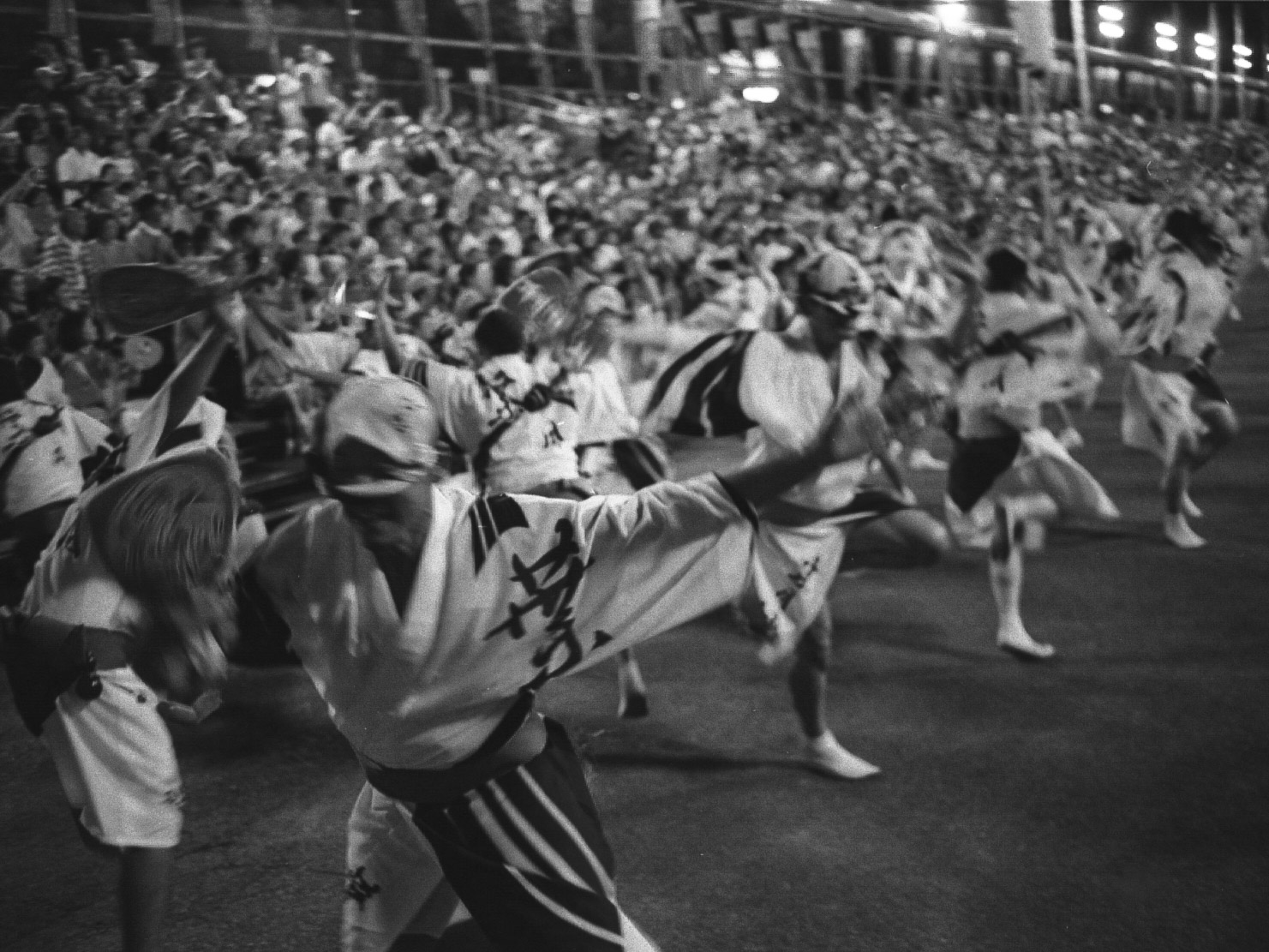


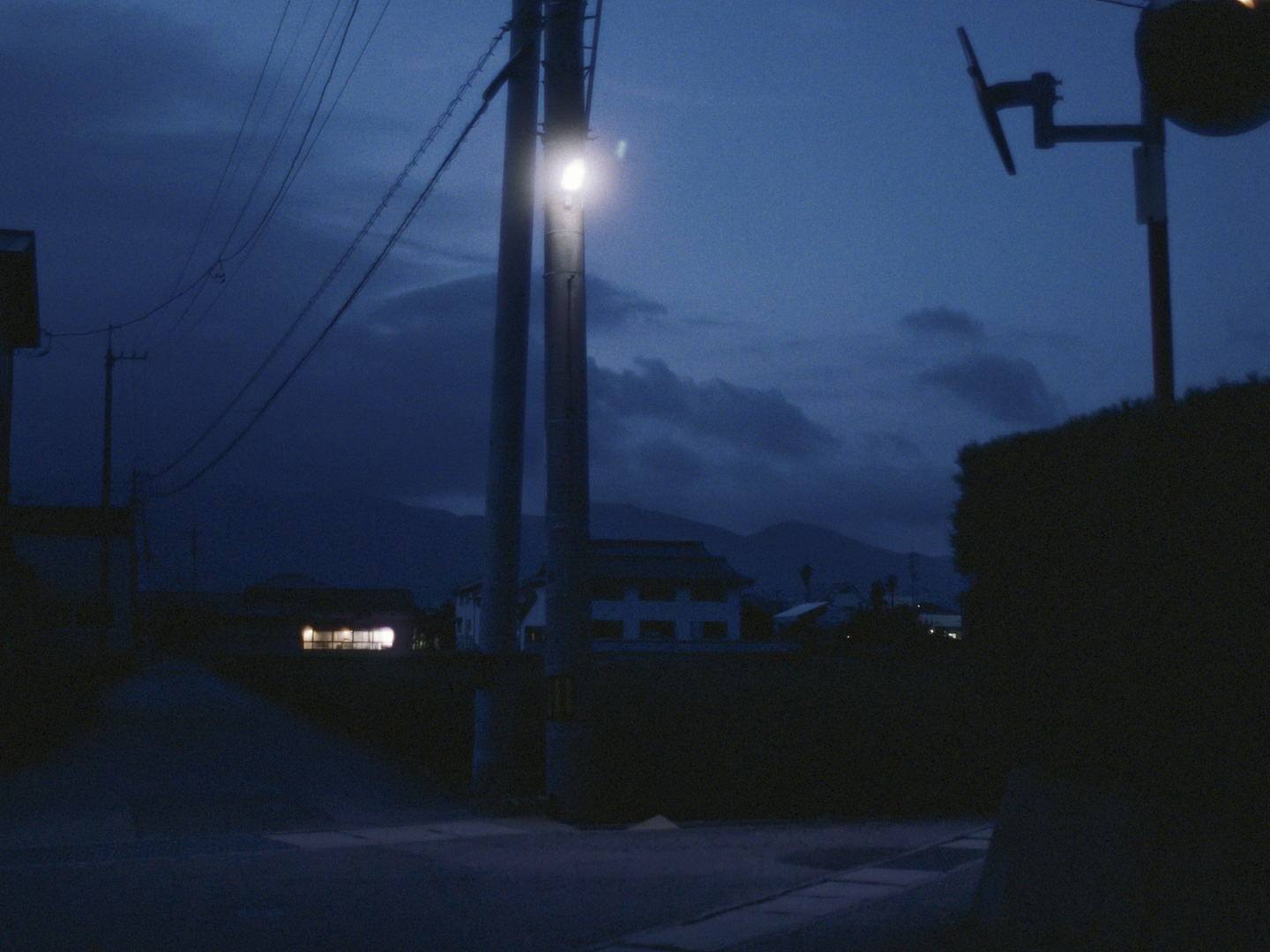
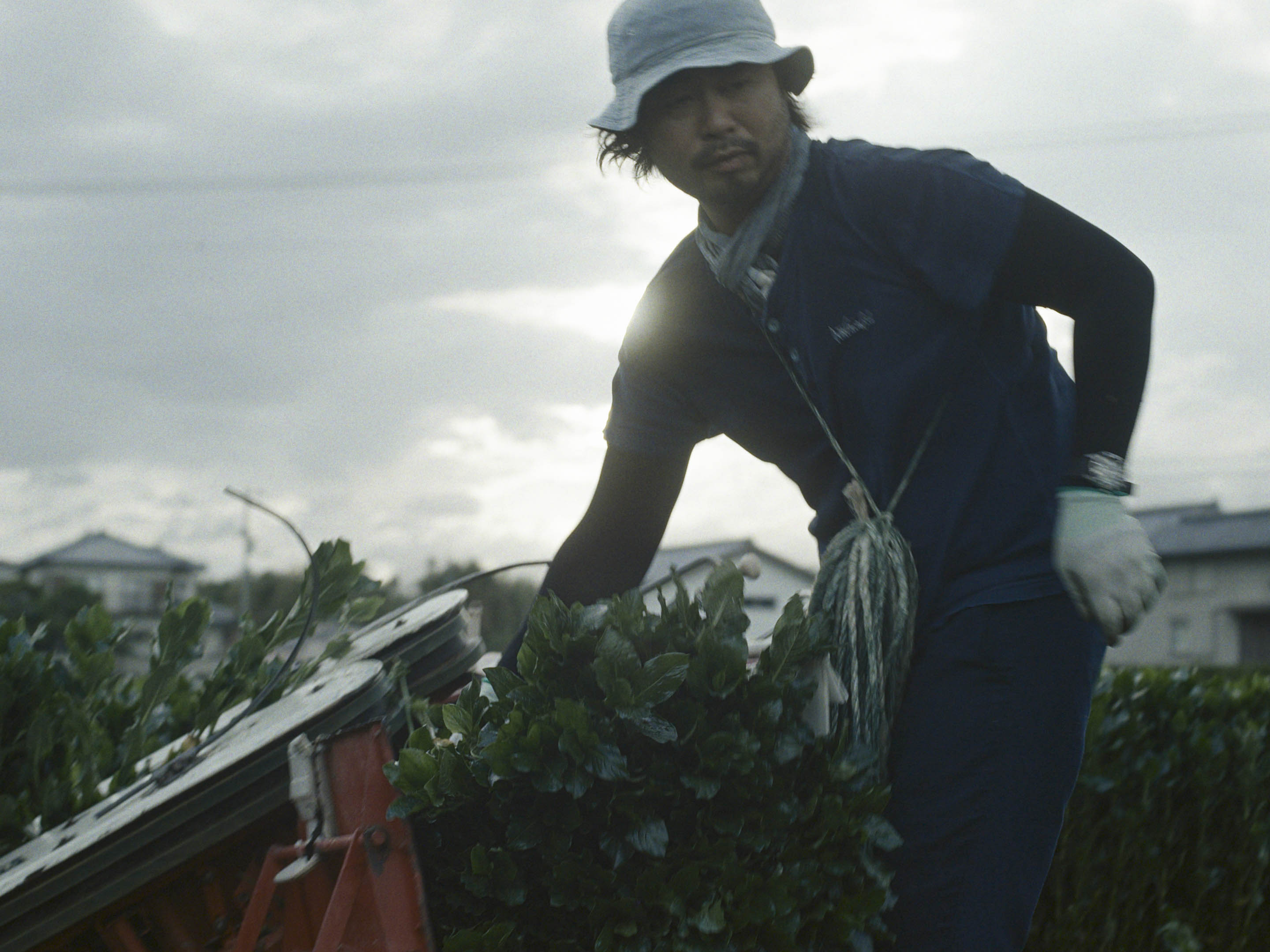
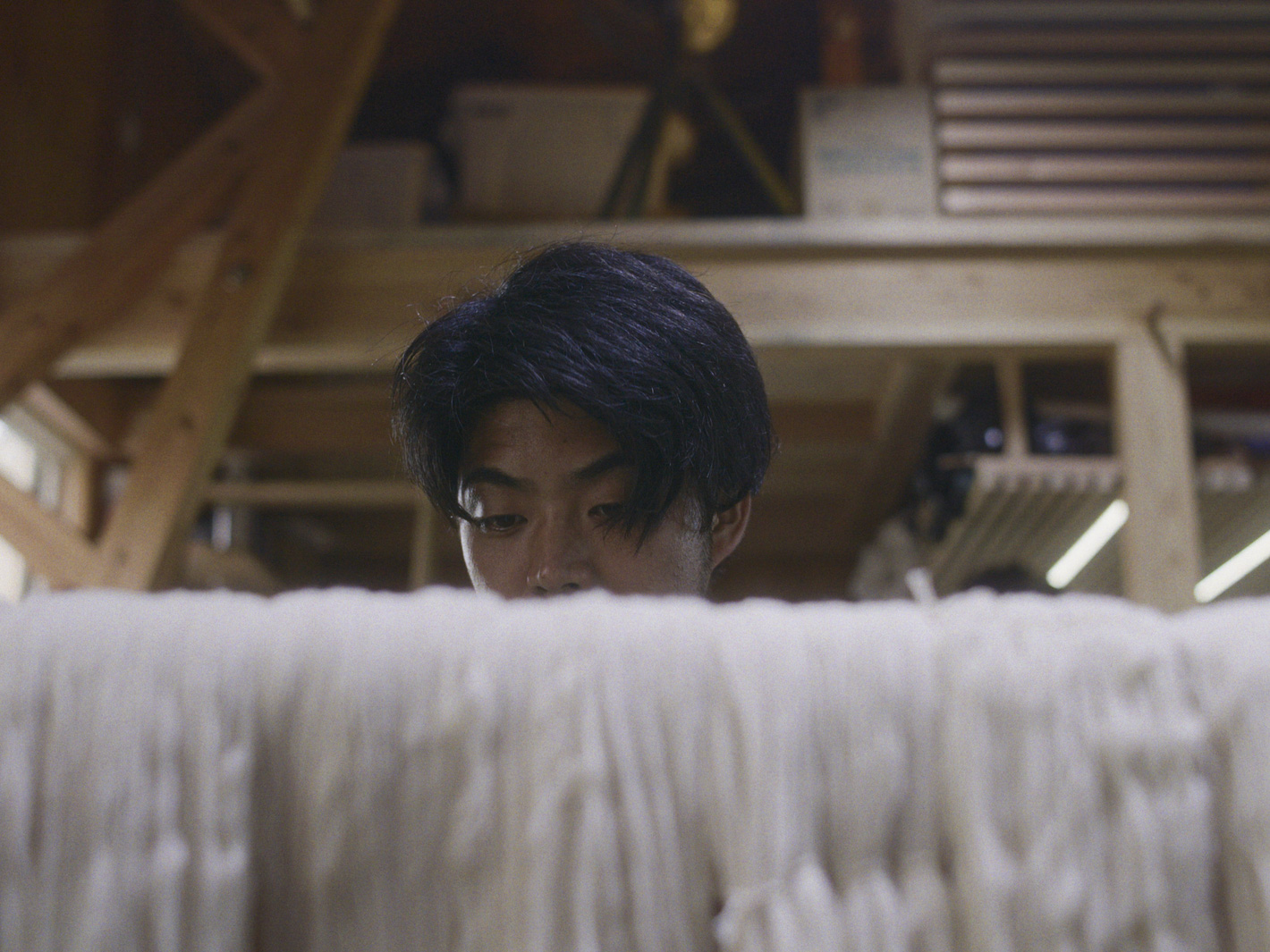


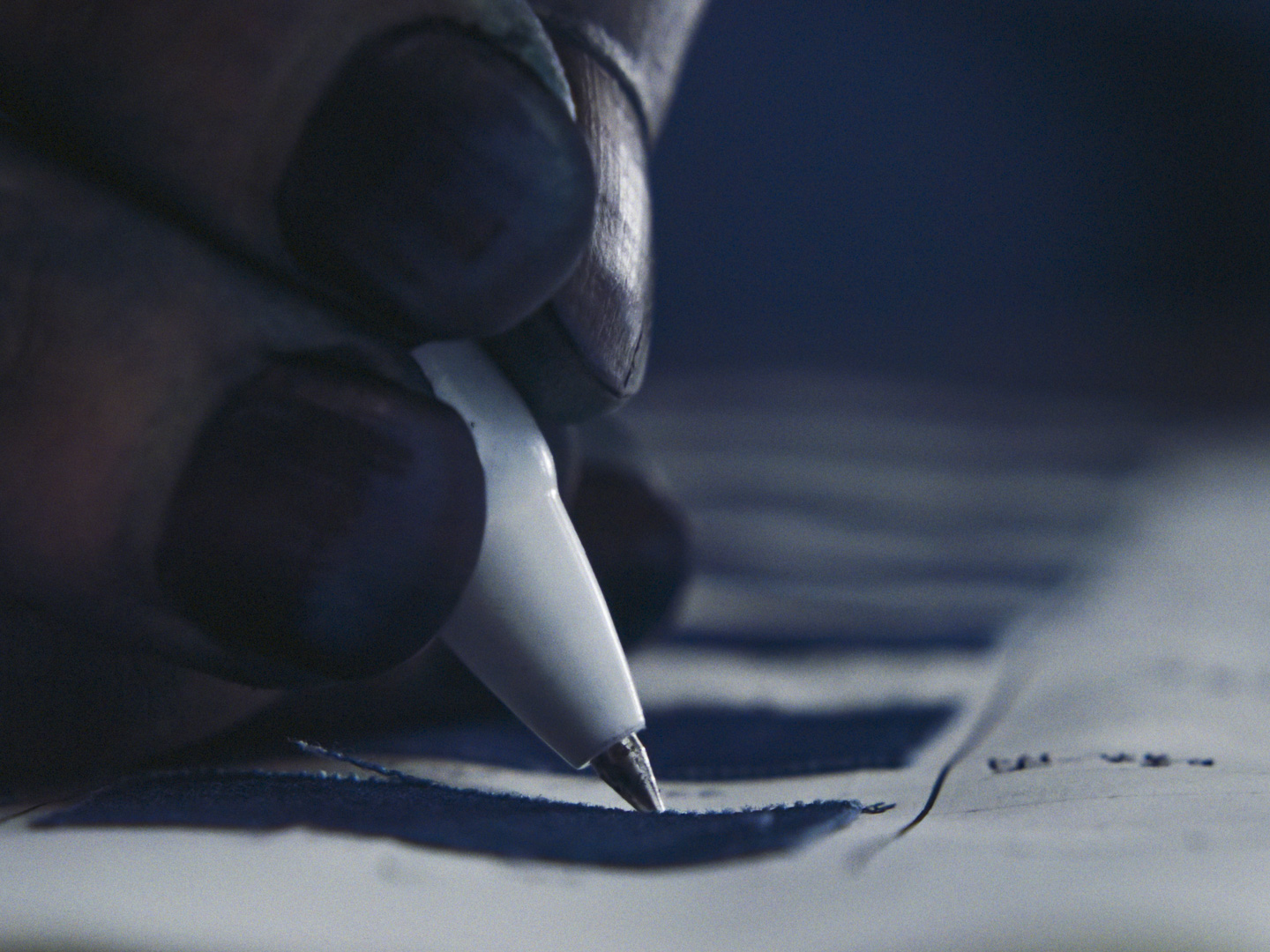


SUKI — Kurashiki
Photo series for SUKI a project by Marui.
Photo series for SUKI a project by Marui.
SUKI is an ongoing curated platform exploring the people, landscapes, and evolving cultural traditions that shape communities across Japan. Launched in 2026, the project brings together filmmakers, writers, and artists to tell stories that move beyond surface narratives — focusing instead on the lived realities of places shaped by shifting values, climate change, and the pressures of over-tourism.
As Creative Director in the initial project phase, I developed the visual and narrative direction of the platform and created the first photographic series, shot primarily on film. The work reflects an interest in slower, more attentive forms of storytelling — observing the textures of daily life and the relationships between people, materials, and place.
The inaugural story takes place in Kurashiki, a historic merchant town with a deep legacy of craft and manufacturing. Through encounters with artisans and local curators, the series explores what it means to sustain tradition today — not as a fixed idea, but as something continuously shaped through care, labor, and community.
SUKI will continue to grow over the coming years as a platform for collaborative storytelling across Japan.
As Creative Director in the initial project phase, I developed the visual and narrative direction of the platform and created the first photographic series, shot primarily on film. The work reflects an interest in slower, more attentive forms of storytelling — observing the textures of daily life and the relationships between people, materials, and place.
The inaugural story takes place in Kurashiki, a historic merchant town with a deep legacy of craft and manufacturing. Through encounters with artisans and local curators, the series explores what it means to sustain tradition today — not as a fixed idea, but as something continuously shaped through care, labor, and community.
SUKI will continue to grow over the coming years as a platform for collaborative storytelling across Japan.
Photographs by Sybilla Patrizia
Text by Leiya Salis
Text by Leiya Salis


SUKI — Kodani-san
Photo series for SUKI a project by Marui.
Photo series for SUKI a project by Marui.
Inside the intense heat of the kiln, Kodani-san works mostly at night, when the air cools and the glass becomes more responsive to his breath. Each object emerges in minutes, shaped by movements refined over a lifetime.
As the second generation of Kurashiki Glass, he continues a lineage that is both deeply rooted and increasingly fragile. Without a successor, the future of his practice remains uncertain — a quiet reminder that tradition is not guaranteed, but must be carried forward, or allowed to disappear.
As the second generation of Kurashiki Glass, he continues a lineage that is both deeply rooted and increasingly fragile. Without a successor, the future of his practice remains uncertain — a quiet reminder that tradition is not guaranteed, but must be carried forward, or allowed to disappear.
Photographs by Sybilla Patrizia
Set within the quiet rhythms of Nara, Japan, this film traces Ching Ya Lin’s immersion into hyōgu—the traditional mounting of works on paper and silk—and the philosophy of the kakejiku hanging scroll. As she lives and works in close dialogue with her surroundings, she encounters sumi ink artist Christine Flint Sato and visits some of the last remaining ink-making studios in the region.
Featuring
Ching Ya Lin
Christine Flint Sato
Director・Producer: Sybilla Patrizia
DoP: Shun Kitagawa
1st AC: Makoto Kuchimura
Gaffer: Tetsuya Kusu
Editor: Holly Thomson
Edit Supervision: Nanako Kawasaki
Colorist: Torn Studios
Thank you: Toma House, Kinkoen, Boku-Undo
Ching Ya Lin
Christine Flint Sato
Director・Producer: Sybilla Patrizia
DoP: Shun Kitagawa
1st AC: Makoto Kuchimura
Gaffer: Tetsuya Kusu
Editor: Holly Thomson
Edit Supervision: Nanako Kawasaki
Colorist: Torn Studios
Thank you: Toma House, Kinkoen, Boku-Undo
Film Stills:


IKEA — Hemma
45“ brand film
45“ brand film
Hemma follows two-Michelin-star Chef Noboru Arai as he moves between the precision of his restaurant Hommage and the intimacy of his home kitchen in Tokyo.
Inviting us into his private space, the film explores a shift in perspective—where cooking is no longer about perfection or pressure, but about care, comfort, and the quiet beauty of everyday meals.
Through preparing a humble dish of egg on rice, Chef Arai reconnects with the emotional core of food—reflecting on how the simplest meals can often hold the deepest meaning.
Inviting us into his private space, the film explores a shift in perspective—where cooking is no longer about perfection or pressure, but about care, comfort, and the quiet beauty of everyday meals.
Through preparing a humble dish of egg on rice, Chef Arai reconnects with the emotional core of food—reflecting on how the simplest meals can often hold the deepest meaning.
Client: IKEA
Agency: Wieden+Kennedy
Production: AOI Pro. Inc.
Director: Sybilla Patrizia
Assistant Director: Yu Inose
Producer: Daisuke Misu, Kosuke Sakai
PM: Hayato Takenaka, Kotaro Hayashi
DoP: Chris Rudz
1st AC: Takao Baba
Production Designer: Taiyo Nobata
Gaffer: Yosuke Shimada
Editor: Sachi Sasaki
Music: Seiji Champollion
Colorist: Mai Kawamura
Sound Design: Kentaro Kimura
For Wieden+Kennedy Tokyo:
Creative Director: Max Pilwat
Copywriter: Kensuke Tsugaru, Kiran Strickland
Art Director: Akane Yasuda
Head of Production: Kosuke Sasaki
Producer: Megumi Wakayabashi
Assistant Producer: Emi Yamashita Grey
and many more...
Agency: Wieden+Kennedy
Production: AOI Pro. Inc.
Director: Sybilla Patrizia
Assistant Director: Yu Inose
Producer: Daisuke Misu, Kosuke Sakai
PM: Hayato Takenaka, Kotaro Hayashi
DoP: Chris Rudz
1st AC: Takao Baba
Production Designer: Taiyo Nobata
Gaffer: Yosuke Shimada
Editor: Sachi Sasaki
Music: Seiji Champollion
Colorist: Mai Kawamura
Sound Design: Kentaro Kimura
For Wieden+Kennedy Tokyo:
Creative Director: Max Pilwat
Copywriter: Kensuke Tsugaru, Kiran Strickland
Art Director: Akane Yasuda
Head of Production: Kosuke Sasaki
Producer: Megumi Wakayabashi
Assistant Producer: Emi Yamashita Grey
and many more...